Financial Administration automation Project
Financial Administration automation Project
PROJECT OVERVIEW
Challenge: The financial administration team is burdened with many repetitive tasks, with much time spent on copy-pasting that could be better used for more challenging activities, such as process development.
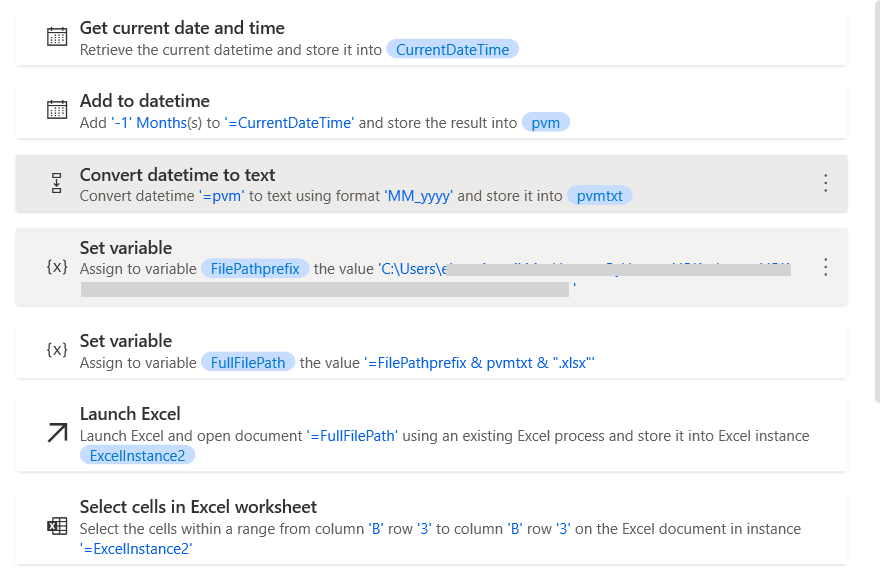
Solution: Most of the team’s processes have been documented and optimized. Tasks that could be automated have been automated using RPA and VBA code. (Ongoing)
My role: The whole cycle of the project: planning, organising, implementing, testing

Data Gathering
- Data was collected by reviewing old instructions, interviewing colleagues, and observing their work.
- The collected data was organised into a visually clear format to identify flaws and development opportunities.
- The financial team was involved throughout the entire process.
Data Analysis and Final Product:
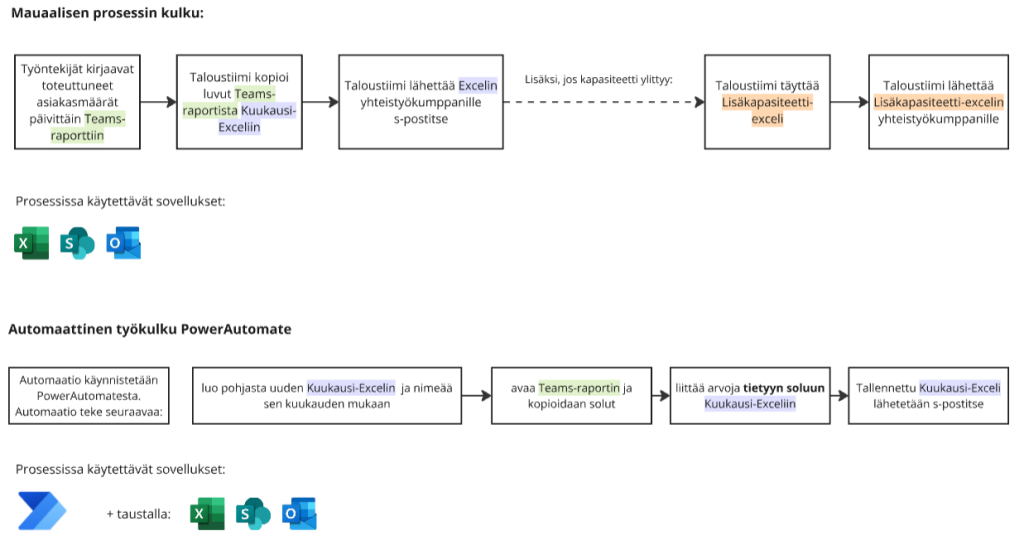
- Data analysis involved reviewing the visualised data and brainstorming ideas for optimising and automating processes.
- Technical possibilities within budget, such as MS PowerAutomate and other solutions, were explored.
Data Gathering
- Existing automationс are being tested 1-2 times before being released to the team.
- Most automations are currently in development.
Results
We calculated the time saved by already created automations, which generally save 10-30 minutes of manual work per task. Currently, 10 tasks that are done once a month have been automated.
Further work:
- The project is still ongoing. After completion, the automation team could start working on automations for other teams within Luona.
- Most of the automations created are RPA. The next step for existing automations is to move them to the cloud for more advanced automation and reduced maintenance needs.
Data Gathering
- Data was collected by reviewing old instructions, interviewing colleagues, and observing their work.
- The collected data was organised into a visually clear format to identify flaws and development opportunities.
- The financial team was involved throughout the entire process.
Data Analysis and Final Product
- Data analysis involved reviewing the visualised data and brainstorming ideas for optimising and automating processes.
- Technical possibilities within budget, such as MS PowerAutomate and other solutions, were explored.
Testing
- Existing automationс are being tested 1-2 times before being released to the team.
- Most automations are currently in development.
PROCESS
Results:
We calculated the time saved by already created automations, which generally save 10-30 minutes of manual work per task. Currently, 10 tasks that are done once a month have been automated.
Further Work
- The project is still ongoing. After completion, the automation team could start working on automations for other teams within Luona.
- Most of the automations created are RPA. The next step for existing automations is to move them to the cloud for more advanced automation and reduced maintenance needs.
Financial Administration automation Project
PROJECT OVERVIEW
Challenge: The financial administration team is burdened with many repetitive tasks, with much time spent on copy-pasting that could be better used for more challenging activities, such as process development.
Solution: Most of the team’s processes have been documented and optimized. Tasks that could be automated have been automated using RPA and VBA code. (Ongoing)
My role: The whole cycle of the project: planning, organising, implementing, testing
Data Gathering
- Data was collected by reviewing old instructions, interviewing colleagues, and observing their work.
- The collected data was organised into a visually clear format to identify flaws and development opportunities.
- The financial team was involved throughout the entire process.
Data Analysis and Final Product:
- Data analysis involved reviewing the visualised data and brainstorming ideas for optimising and automating processes.
- Technical possibilities within budget, such as MS PowerAutomate and other solutions, were explored.
Data Gathering
- Existing automationс are being tested 1-2 times before being released to the team.
- Most automations are currently in development.
Results
We calculated the time saved by already created automations, which generally save 10-30 minutes of manual work per task. Currently, 10 tasks that are done once a month have been automated.
Further work:
- The project is still ongoing. After completion, the automation team could start working on automations for other teams within Luona.
- Most of the automations created are RPA. The next step for existing automations is to move them to the cloud for more advanced automation and reduced maintenance needs.
Designing service search for seniors
Service search for Well-being services counties
PROJECT OVERVIEW
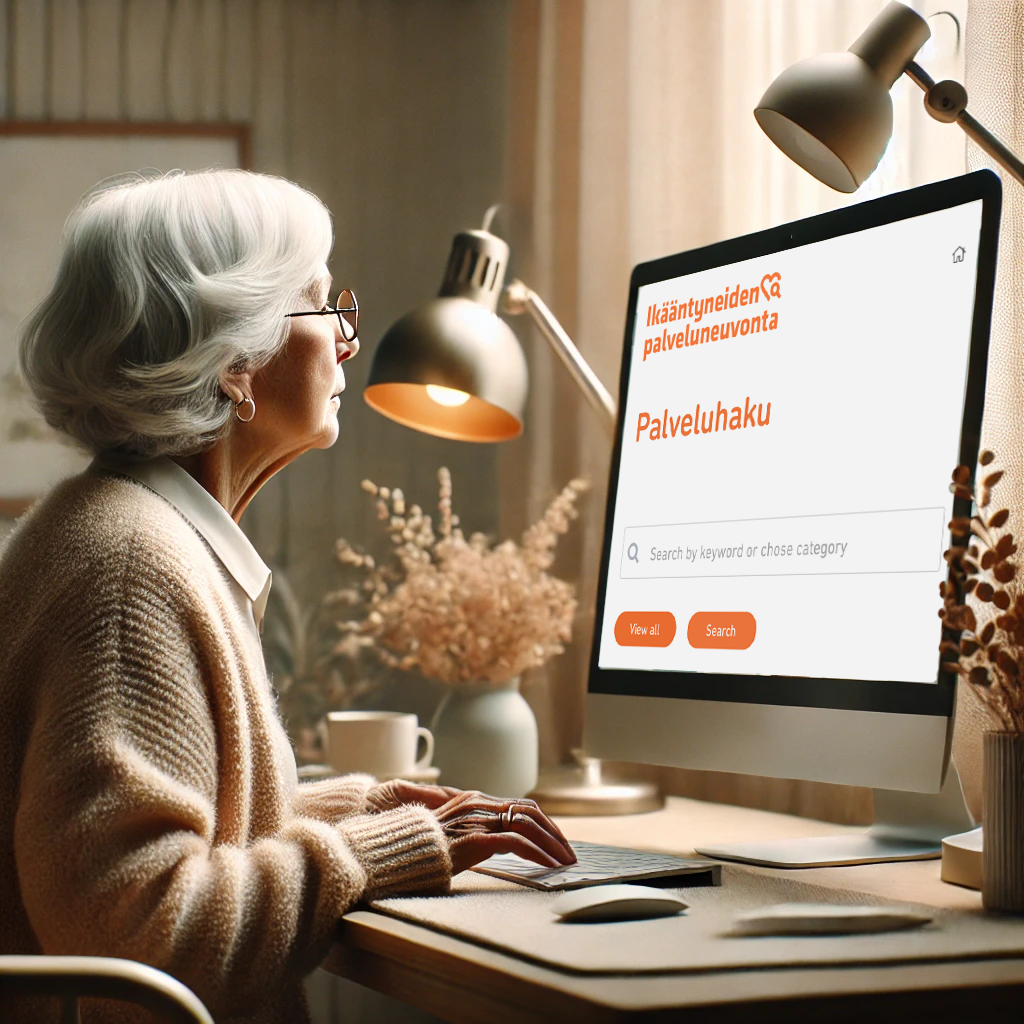
Challenge: To create a service search for senior users of Päijät-Häme area as a part of Elderly services (Ikääntyneiden palvelut).
Solution: Customers now have access to user-friendly simple service search to find services in the ares: cleaning, pharmacy, etc.
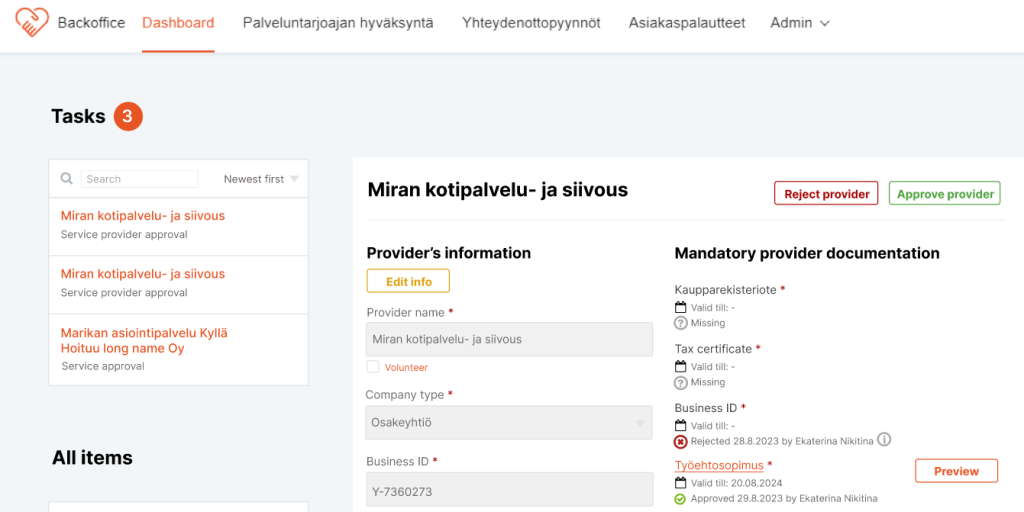
My role: Service designer, UX-/UI-designer. Design of Operator side (back office of the service). Customer research, Figma-proto and testing
PROCESS
The project has started in October 2022 and has switched to maintaining phase at the end of 2023.The project had had its challenges and is complex.
Development:
We have conducted two research studies, in addition to numerous interviews with customers and colleagues, to understand their needs and improve the application. The application has been continuously improved, including the following enhancements:
- Expanded language support to six languages.
- Added functionalities such as messaging, file sharing, group conversations, and video call booking.
- Transitioned from direct specialist calls to a self-service chatbot, enhancing contact efficiency.
- Addressed and resolved small daily technical issues.
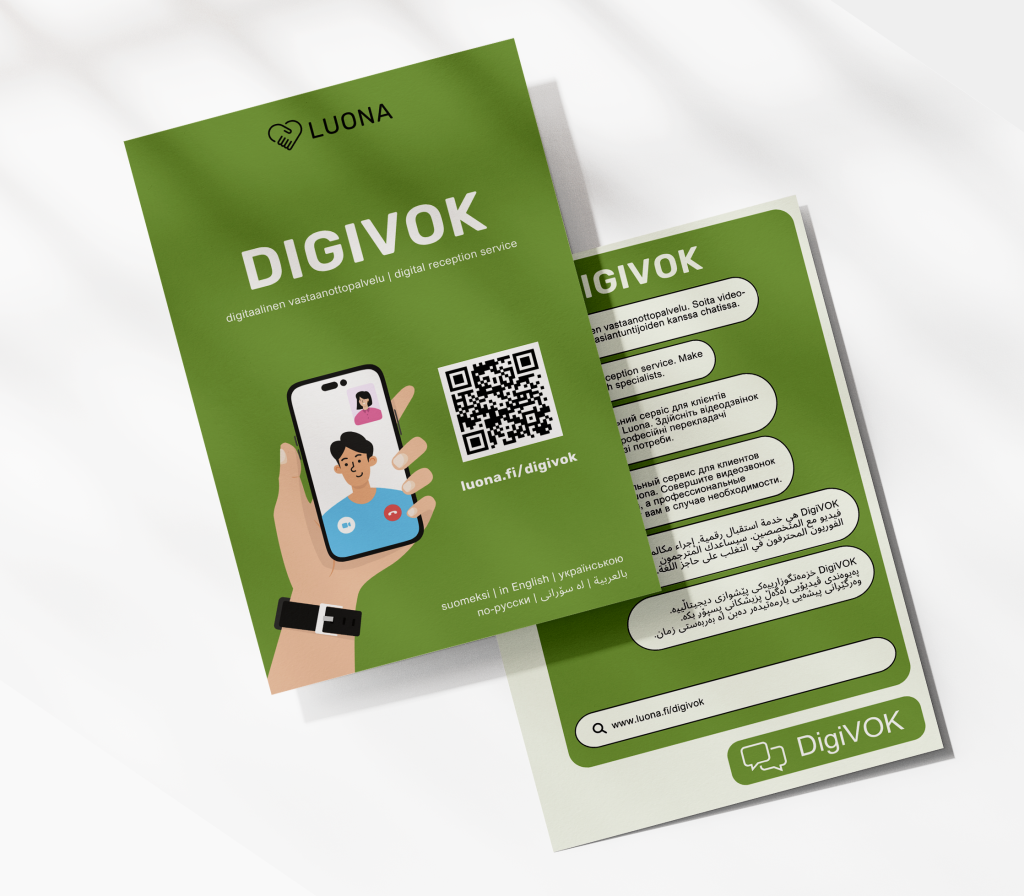
- Branding and visual appearance of DigiVOK: presentation, videos, brochures
Final Product: The existing service was launched after one year of continuous testing, including a complete switch to new, more agile software at one point.
Results
- Link to the service: https://luona.fi/digivok/
- For the first year (Oct 2022- Oct 2023) customers have contacted us through DigiVOK 2985 times and 68% of the contacts
Read more
- DigiVOK – Uusi aikakausi digitaalisissa vastaanottopalveluissa (link: https://luona.fi/digivok-uusi-aikakausi-digitaalisissa-vastaanottopalveluissa/)
- Digitaalinen vastaanotto tuo palvelut lähelle asiakasta (link: https://luona.fi/digitaalinen-vastaanotto-tuo-palvelut-lahelle-asiakasta-palvelussa-huomioidaan-myos-asiakastarpeet/)
Further work:
The project is now in the maintenance phase. Future growth could be achieved by expanding the service nationally within reception centres. Additionally, developing the service internally with more advanced functionality, such as holding mandatory information sessions and providing a portal for customers to access all documents, messages, and information regarding their relationship with the reception centre, is also a consideration.
Data Gathering
- Data was collected by recruiting and interviewing senior users of the previous version of Service Search
- Also observations of staff operatingin the “back office” part of the application were made
- In addition, 3 interactive workshops were help in order to place th painpoints and find solutions
Data Analysis and Final Product
- Data analysis involved reviewing the visualised data of interviws, observations and workshops
- At the same time, Figma prototype has been developed in order to reflect all the changes in agile way for being visually clear for the team
Testing
- Prototype has been tested before moving to production.
- Ready product has been improved before releasing
PROCESS
Results:
- Link to the service: Ikääntyneiden palveluhaku
- However, my role and footprint is mostly seen in designing the back office, the operational part of the service: take a look at the prototype!
Read more:
- Luonan Palveluhaku (link: https://luona.fi/palvelu/luonan-palveluhaku/)
- Digitaalinen vastaanotto tuo palvelut lähelle asiakasta (link: https://luona.fi/digitaalinen-vastaanotto-tuo-palvelut-lahelle-asiakasta-palvelussa-huomioidaan-myos-asiakastarpeet/)
Service search for Well-being services counties
PROJECT OVERVIEW
Challenge: To create a service search for senior users of Päijät-Häme area as a part of Elderly services (Ikääntyneiden palvelut).
Solution: Customers now have access to user-friendly simple service search to find services in the ares: cleaning, pharmacy, etc.
My role: Service designer, UX-/UI-designer. Design of Operator side (back office of the service). Customer research, Figma-proto and testing
PROCESS
The project has started in October 2022 and has switched to maintaining phase at the end of 2023.The project had had its challenges and is complex.
Development:
We have conducted two research studies, in addition to numerous interviews with customers and colleagues, to understand their needs and improve the application. The application has been continuously improved, including the following enhancements:
- Expanded language support to six languages.
- Added functionalities such as messaging, file sharing, group conversations, and video call booking.
- Transitioned from direct specialist calls to a self-service chatbot, enhancing contact efficiency.
- Addressed and resolved small daily technical issues.
- Branding and visual appearance of DigiVOK: presentation, videos, brochures
Final Product: The existing service was launched after one year of continuous testing, including a complete switch to new, more agile software at one point.
Results
- Link to the service: https://luona.fi/digivok/
- For the first year (Oct 2022- Oct 2023) customers have contacted us through DigiVOK 2985 times and 68% of the contacts
Read more
- DigiVOK – Uusi aikakausi digitaalisissa vastaanottopalveluissa (link: https://luona.fi/digivok-uusi-aikakausi-digitaalisissa-vastaanottopalveluissa/)
- Digitaalinen vastaanotto tuo palvelut lähelle asiakasta (link: https://luona.fi/digitaalinen-vastaanotto-tuo-palvelut-lahelle-asiakasta-palvelussa-huomioidaan-myos-asiakastarpeet/)
Further work:
The project is now in the maintenance phase. Future growth could be achieved by expanding the service nationally within reception centres. Additionally, developing the service internally with more advanced functionality, such as holding mandatory information sessions and providing a portal for customers to access all documents, messages, and information regarding their relationship with the reception centre, is also a consideration.
Digital Reception Service for Asylum Seekers
Digital Reception Service for Asylum Seekers
PROJECT OVERVIEW
Challenge: To create and maintain a user-friendly application to simplify the process of contacting reception centre for customers.
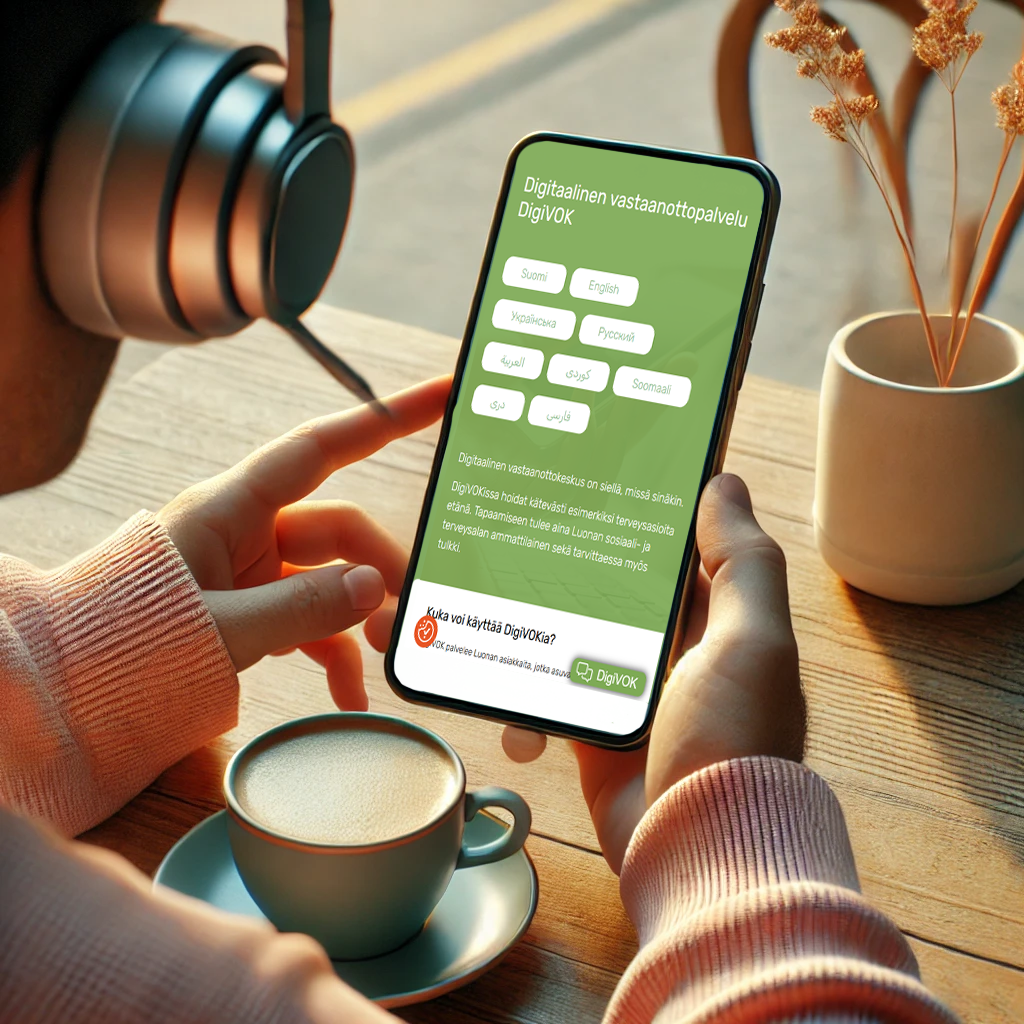
Solution: Customers now have access to Digital Reception Service (DigiVOK). The service makes it possible to self-service, chat and have online video appointments (with interpreters connected to the call). The service is available in 6 languages.
My role: Service designer, graphic design, animations, landing page, conducting research, creating tutorials (video- and live), developing services together with software engineers


PROCESS
The project has started in October 2022 and has switched to maintaining phase at the end of 2023.The project had had its challenges and is complex.
Development:
We have conducted two research studies, in addition to numerous interviews with customers and colleagues, to understand their needs and improve the application. The application has been continuously improved, including the following enhancements:
- Expanded language support to six languages.
- Added functionalities such as messaging, file sharing, group conversations, and video call booking.
- Transitioned from direct specialist calls to a self-service chatbot, enhancing contact efficiency.
- Addressed and resolved small daily technical issues.
- Branding and visual appearance of DigiVOK: presentation, videos, brochures
Final Product: The existing service was launched after one year of continuous testing, including a complete switch to new, more agile software at one point.
Results
- Link to the service: https://luona.fi/digivok/
- For the first year (Oct 2022- Oct 2023) customers have contacted us through DigiVOK 2985 times and 68% of the contacts
Read more
- DigiVOK – Uusi aikakausi digitaalisissa vastaanottopalveluissa (link: https://luona.fi/digivok-uusi-aikakausi-digitaalisissa-vastaanottopalveluissa/)
- Digitaalinen vastaanotto tuo palvelut lähelle asiakasta (link: https://luona.fi/digitaalinen-vastaanotto-tuo-palvelut-lahelle-asiakasta-palvelussa-huomioidaan-myos-asiakastarpeet/)
Further work:
The project is now in the maintenance phase. Future growth could be achieved by expanding the service nationally within reception centres. Additionally, developing the service internally with more advanced functionality, such as holding mandatory information sessions and providing a portal for customers to access all documents, messages, and information regarding their relationship with the reception centre, is also a consideration.
The project has started in October 2022 and has switched to maintaining phase at the end of 2023.The project had had its challenges and is complex.
Development
- Expanded language support to six languages.
- Added functionalities such as messaging, file sharing, group conversations, and video call booking.
- Transitioned from direct specialist calls to a self-service chatbot, enhancing contact efficiency.
- Addressed and resolved small daily technical issues.
- Branding and visual appearance of DigiVOK: presentation, videos, brochures
Final Product: The existing service was launched after one year of continuous testing, including a complete switch to new, more agile software at one point.
PROCESS
Results:
- Link to the service: https://luona.fi/digivok/
- For the first year (Oct 2022- Oct 2023) customers have contacted us through DigiVOK 2985 times and 68% of the contacts
Read more:
- DigiVOK – Uusi aikakausi digitaalisissa vastaanottopalveluissa (link: https://luona.fi/digivok-uusi-aikakausi-digitaalisissa-vastaanottopalveluissa/)
- Digitaalinen vastaanotto tuo palvelut lähelle asiakasta (link: https://luona.fi/digitaalinen-vastaanotto-tuo-palvelut-lahelle-asiakasta-palvelussa-huomioidaan-myos-asiakastarpeet/)
Further work
The project is now in the maintenance phase. Future growth could be achieved by expanding the service nationally within reception centres. Additionally, developing the service internally with more advanced functionality, such as holding mandatory information sessions and providing a portal for customers to access all documents, messages, and information regarding their relationship with the reception centre, is also a consideration.
Digital Reception Service for Asylum Seekers
PROJECT OVERVIEW
Challenge: To create and maintain a user-friendly application to simplify the process of contacting reception centre for customers.
Solution: Customers now have access to Digital Reception Service (DigiVOK). The service makes it possible to self-service, chat and have online video appointments (with interpreters connected to the call). The service is available in 6 languages.
My role: Service designer, graphic design, animations, landing page, conducting research, creating tutorials (video- and live), developing services together with software engineers
PROCESS
The project has started in October 2022 and has switched to maintaining phase at the end of 2023.The project had had its challenges and is complex.
Development:
We have conducted two research studies, in addition to numerous interviews with customers and colleagues, to understand their needs and improve the application. The application has been continuously improved, including the following enhancements:
- Expanded language support to six languages.
- Added functionalities such as messaging, file sharing, group conversations, and video call booking.
- Transitioned from direct specialist calls to a self-service chatbot, enhancing contact efficiency.
- Addressed and resolved small daily technical issues.
- Branding and visual appearance of DigiVOK: presentation, videos, brochures
Final Product: The existing service was launched after one year of continuous testing, including a complete switch to new, more agile software at one point.
Results
- Link to the service: https://luona.fi/digivok/
- For the first year (Oct 2022- Oct 2023) customers have contacted us through DigiVOK 2985 times and 68% of the contacts
Read more
- DigiVOK – Uusi aikakausi digitaalisissa vastaanottopalveluissa (link: https://luona.fi/digivok-uusi-aikakausi-digitaalisissa-vastaanottopalveluissa/)
- Digitaalinen vastaanotto tuo palvelut lähelle asiakasta (link: https://luona.fi/digitaalinen-vastaanotto-tuo-palvelut-lahelle-asiakasta-palvelussa-huomioidaan-myos-asiakastarpeet/)
Further work:
The project is now in the maintenance phase. Future growth could be achieved by expanding the service nationally within reception centres. Additionally, developing the service internally with more advanced functionality, such as holding mandatory information sessions and providing a portal for customers to access all documents, messages, and information regarding their relationship with the reception centre, is also a consideration.
Designing Witness Experience in Finnish Courts
Designing Witness Experience in Finnish Courts
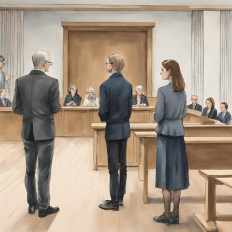
PROJECT OVERVIEW
Challenge: Being a witness in court is frustrating for regular citizens, especially foreigners.
Solution: Step-by-step visual guide through the process of witnessing, including printed brochure and animation.
My role: Research, interviews, organising workshops, creating final animation and final video
PROCESS
Data gathering:
- Collected insights through participation and interviews.
- Conducted a workshop with court professionals for their input.
- Used visualised journey maps to identify critical issues.
- Brainstormed ideas for improvements.
Data Analysis and Final Product:
- Analysed witness data and found pain points in the witness journey.
- Created a six-stop witness journey card to be included to witness invitation letter
- Produced an informative video for step-by-step guidance and translations.
Testing:
- Formulated hypotheses and criteria for testing and gathered feedback from court professionals and witnesses.
- Witness journey card received positive reviews.
- Video adopted by the Finnish National Court administration based on its effectiveness.

Results
Project in media
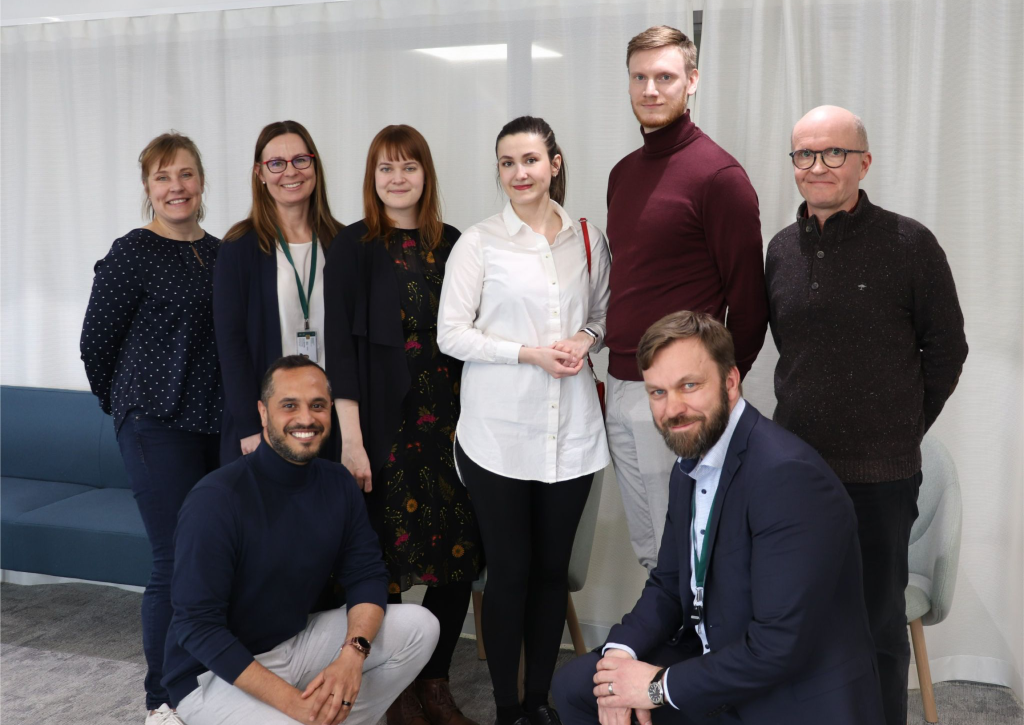
Our partners in design from Tuomioistuinvirasto have invited us to celebrate the video launch
Further work:
Tero Jyrhämä has continued to work on the topic resulting in the podcast and completed Master’s thesis “Witness experience in Finnish Court” (Link)
Data Gathering
- Collected insights through participation and interviews.
- Conducted a workshop with court professionals for their input.
- Used visualised journey maps to identify critical issues.
- Brainstormed ideas for improvements.
Data Analysis and Final Product
- Analysed witness data and found pain points in the witness journey.
- Created a six-stop witness journey card to be included to witness invitation letter
- Produced an informative video for step-by-step guidance and translations.
Testing
- Formulated hypotheses and criteria for testing and gathered feedback from court professionals and witnesses.
- Witness journey card received positive reviews.
- Video adopted by the Finnish National Court administration based on its effectiveness.
PROCESS
Project in media
Our partners in design from Tuomioistuinvirasto have invited us to celebrate the video launch
Further work:
Tero Jyrhämä has continued to work on the topic resulting in the podcast and completed Master’s thesis “Witness experience in Finnish Court” (Link)
Designing Witness Experience in Finnish Courts
PROJECT OVERVIEW
Challenge: Being a witness in court is frustrating for regular citizens, especially foreigners.
Solution: Step-by-step visual guide through the process of witnessing, including printed brochure and animation.
My role: Research, interviews, organising workshops, creating final animation and final video
PROCESS
Data gathering:
- Collected insights through participation and interviews.
- Conducted a workshop with court professionals for their input.
- Used visualised journey maps to identify critical issues.
- Brainstormed ideas for improvements.
Data Analysis and Final Product:
- Analysed witness data and found pain points in the witness journey.
- Created a six-stop witness journey card to be included to witness invitation letter
- Produced an informative video for step-by-step guidance and translations.
Testing:
- Formulated hypotheses and criteria for testing and gathered feedback from court professionals and witnesses.
- Witness journey card received positive reviews.
- Video adopted by the Finnish National Court administration based on its effectiveness.
Results
Project in media
Our partners in design from Tuomioistuinvirasto have invited us to celebrate the video launch
Further work:
Tero Jyrhämä has continued to work on the topic resulting in the podcast and completed Master’s thesis “Witness experience in Finnish Court” (Link)
Alcohol Consumption and Partying During Pandemic
Alcohol Consumption and Partying During Pandemic
PROJECT OVERVIEW
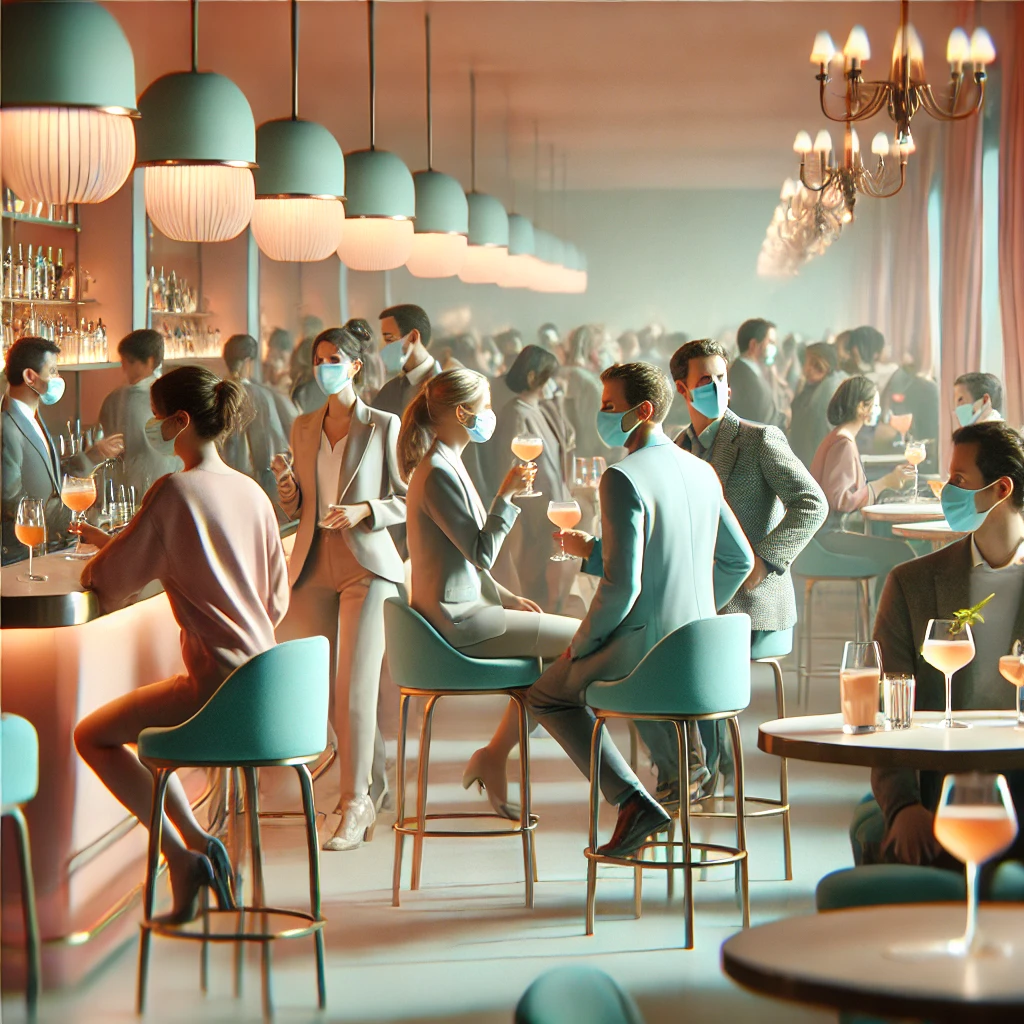
What changed in Finns’ celebration culture and alcohol consumption during the pandemic? We conducted 10 interviews and delivered meaningful insights to Kyrö about what people truly thought of the topic!
My role: Interviews and Desktop research studies, presenting

First, we conducted full-length test interviews with friends, verifying that interviewees correctly understood the context, and questions aligned with our research goals. Next, we sampled interviewees, considering Kyrö’s target demographic, employing a mix of convenience and purposive sampling. Thirdly, we prepared for the interviews: recruitment, project alignment, field guide creation, and interview rehearsals. Finally, we held the interviews. Questions included warming up, celebratory experiences, and attitudes toward alcohol quality and brands.
Meanwhile, we documented online and offline observations on the discourse of celebrations, partying, and COVID-19’s impact.
Results
After conducting the interviews, we individually summarised our findings and later consolidated them into an affinity diagram. This served as a foundation for a discussion to shape our insights.
Conclusion: Interviewing people about their use of alcohol sensitivity of our chosen topic: celebration and alcohol consumption during the COVID-19 pandemic. We acknowledged that this subject could involve discussing personal and potentially controversial matters. To overcome this, we conducted interviews with empathy and respect, ensuring that interviewees felt at ease sharing their experiences. We prioritized building rapport and fostering a safe space for open and honest dialogue. The importance of “checking the worldview at the door” not only gives a lot to the projects via interviewees but also teaches to listen and hear people.

First, we conducted full-length test interviews with friends, verifying that interviewees correctly understood the context, and questions aligned with our research goals. Next, we sampled interviewees, considering Kyrö’s target demographic, employing a mix of convenience and purposive sampling. Thirdly, we prepared for the interviews: recruitment, project alignment, field guide creation, and interview rehearsals. Finally, we held the interviews. Questions included warming up, celebratory experiences, and attitudes toward alcohol quality and brands.
Meanwhile, we documented online and offline observations on the discourse of celebrations, partying, and COVID-19’s impact.
PROCESS
After conducting the interviews, we individually summarised our findings and later consolidated them into an affinity diagram. This served as a foundation for a discussion to shape our insights.
Conclusion: Interviewing people about their use of alcohol sensitivity of our chosen topic: celebration and alcohol consumption during the COVID-19 pandemic. We acknowledged that this subject could involve discussing personal and potentially controversial matters. To overcome this, we conducted interviews with empathy and respect, ensuring that interviewees felt at ease sharing their experiences. We prioritized building rapport and fostering a safe space for open and honest dialogue. The importance of “checking the worldview at the door” not only gives a lot to the projects via interviewees but also teaches to listen and hear people.
Alcohol Consumption and Partying During Pandemic
PROJECT OVERVIEW
What changed in Finns’ celebration culture and alcohol consumption during the pandemic? We conducted 10 interviews and delivered meaningful insights to Kyrö about what people truly thought of the topic!
My role: Interviews and Desktop research studies, presenting
First, we conducted full-length test interviews with friends, verifying that interviewees correctly understood the context, and questions aligned with our research goals. Next, we sampled interviewees, considering Kyrö’s target demographic, employing a mix of convenience and purposive sampling. Thirdly, we prepared for the interviews: recruitment, project alignment, field guide creation, and interview rehearsals. Finally, we held the interviews. Questions included warming up, celebratory experiences, and attitudes toward alcohol quality and brands.
Meanwhile, we documented online and offline observations on the discourse of celebrations, partying, and COVID-19’s impact.
Results
After conducting the interviews, we individually summarised our findings and later consolidated them into an affinity diagram. This served as a foundation for a discussion to shape our insights.
Conclusion: Interviewing people about their use of alcohol sensitivity of our chosen topic: celebration and alcohol consumption during the COVID-19 pandemic. We acknowledged that this subject could involve discussing personal and potentially controversial matters. To overcome this, we conducted interviews with empathy and respect, ensuring that interviewees felt at ease sharing their experiences. We prioritized building rapport and fostering a safe space for open and honest dialogue. The importance of “checking the worldview at the door” not only gives a lot to the projects via interviewees but also teaches to listen and hear people.
Circular Business models for a Finnish Garments Brand
Circular Business models for a Finnish Garments Brand
PROJECT OVERVIEW
NOSH, a Finnish clothing company, challenged us, Service Design students, to find responsible ways to expand the business within the framework of a design sprint.
Challenge: Our task was to create a concept of selling slightly flawed garments or offering a NOSH repair service.
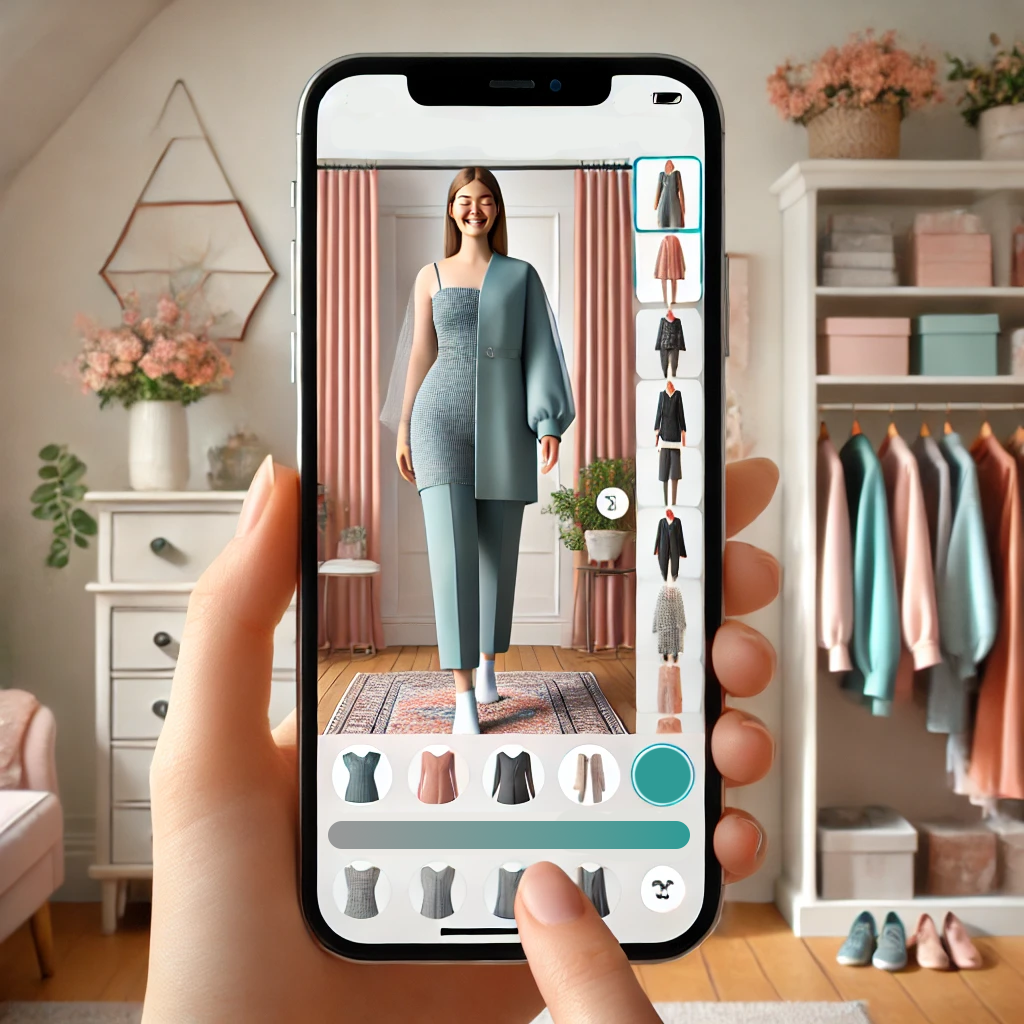
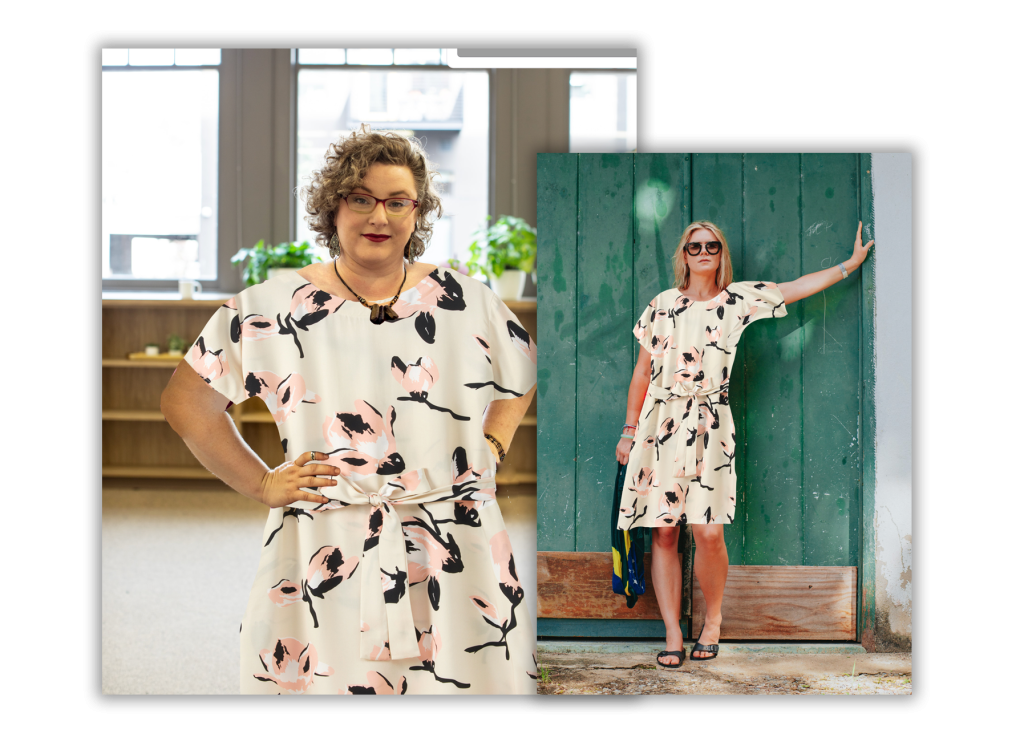
Solution: We solved the challenge with a sleek MVP website for NOSH featuring second-hand items and a virtual fitting room to reduce returns and enhance the shopping experience.
My role: leading the project (see Miro, page 4), visual representation of ideas (see presentation, page 4)

Our team invested nearly two months of intensive work into this project, following the structured Double Diamond framework.
Discover Phase
In the Discover phase, we dove into NOSH’s world, learning all about their business, sustainable fashion trends, and how they connect with various external factors. We pinpointed key customer segments, especially women who are passionate about sustainability.
Define Phase
During the Define phase, we took our insights and shaped them into detailed personas to understand our customers better. We also created a customer journey map to highlight pain points and opportunities for improvement.
Develop Phase
In the Develop phase, we came up with three ideas: Partnering with Influencers, User-Friendly Secondhand Shopping and Virtual Fitting Tool and we focused on the latter two in the project.
Virtual Fitting Tool: We created a prototype for body scan feature that would show customers how clothes fit before they hit the purchase button, reducing returns and the environmental footprint.
Testing and Deliver Phase
We tested our prototype and did another round of interviews. In the Deliver phase, we put the finishing touches on our service concept. We updated the business model to include circular processes and innovations and presented our concept and value proposition. We also revised the customer journey map to reflect the improvements in the purchasing process.
Conclusion
The project’s research has shown that there is interest in the circular economy among consumers of clothing. The entire NOSH challenge is a sign of a positive shift toward circularity: businesses require greener options not only in terms of products (sustainable textile sources, social responsibility in the sphere, durable materials) but also in terms of services. Companies like NOSH need service design to make sustainability easy and user-friendly for the customers. The customers, in turn, are ready for these changes.
Our team invested nearly two months of intensive work into this project, following the structured Double Diamond framework.
Discover Phase
In the Discover phase, we dove into NOSH’s world, learning all about their business, sustainable fashion trends, and how they connect with various external factors. We pinpointed key customer segments, especially women who are passionate about sustainability.
Define Phase
During the Define phase, we took our insights and shaped them into detailed personas to understand our customers better. We also created a customer journey map to highlight pain points and opportunities for improvement.
PROCESS
Develop Phase
In the Develop phase, we came up with three ideas: Partnering with Influencers, User-Friendly Secondhand Shopping and Virtual Fitting Tool and we focused on the latter two in the project.
Virtual Fitting Tool: We created a prototype for body scan feature that would show customers how clothes fit before they hit the purchase button, reducing returns and the environmental footprint.
Testing and Deliver Phase
We tested our prototype and did another round of interviews. In the Deliver phase, we put the finishing touches on our service concept. We updated the business model to include circular processes and innovations and presented our concept and value proposition. We also revised the customer journey map to reflect the improvements in the purchasing process.
Conclusion
The project’s research has shown that there is interest in the circular economy among consumers of clothing. The entire NOSH challenge is a sign of a positive shift toward circularity: businesses require greener options not only in terms of products (sustainable textile sources, social responsibility in the sphere, durable materials) but also in terms of services. Companies like NOSH need service design to make sustainability easy and user-friendly for the customers. The customers, in turn, are ready for these changes.
Circular Business models for a Finnish Garments Brand
PROJECT OVERVIEW
NOSH, a Finnish clothing company, challenged us, Service Design students, to find responsible ways to expand the business within the framework of a design sprint.
Challenge: Our task was to create a concept of selling slightly flawed garments or offering a NOSH repair service.
Solution: We solved the challenge with a sleek MVP website for NOSH featuring second-hand items and a virtual fitting room to reduce returns and enhance the shopping experience.
My role: leading the project (see Miro, page 4), visual representation of ideas (see presentation, page 4)
Our team invested nearly two months of intensive work into this project, following the structured Double Diamond framework.
Discover Phase
In the Discover phase, we dove into NOSH’s world, learning all about their business, sustainable fashion trends, and how they connect with various external factors. We pinpointed key customer segments, especially women who are passionate about sustainability.
Define Phase
During the Define phase, we took our insights and shaped them into detailed personas to understand our customers better. We also created a customer journey map to highlight pain points and opportunities for improvement.
Develop Phase
In the Develop phase, we came up with three ideas: Partnering with Influencers, User-Friendly Secondhand Shopping and Virtual Fitting Tool and we focused on the latter two in the project.
Virtual Fitting Tool: We created a prototype for body scan feature that would show customers how clothes fit before they hit the purchase button, reducing returns and the environmental footprint.
Testing and Deliver Phase
We tested our prototype and did another round of interviews. In the Deliver phase, we put the finishing touches on our service concept. We updated the business model to include circular processes and innovations and presented our concept and value proposition. We also revised the customer journey map to reflect the improvements in the purchasing process.
Conclusion
The project’s research has shown that there is interest in the circular economy among consumers of clothing. The entire NOSH challenge is a sign of a positive shift toward circularity: businesses require greener options not only in terms of products (sustainable textile sources, social responsibility in the sphere, durable materials) but also in terms of services. Companies like NOSH need service design to make sustainability easy and user-friendly for the customers. The customers, in turn, are ready for these changes.
Recent work experience
Project coordinator & Service Designer (2022-present)
Luona Oy, Helsinki
Facilitating workshops, testing products, conducting researches in several digital projects
Benefits officer & Team leader (2022)
Luona Oy, Helsinki
Helping customers with financial aid applications and making decisions + supporting the team
Communication manager (2020-2021)
Helsingin Insinöörit Ry, Helsinki
Communication strategy, social media content, and the visual identity of live and virtual events.
Duty Manager & Marketing assistant (2019-2020)
Arctic Hotel Collection, Rovaniemi
Customer service, development of service processes, team training and support, creating content for social media.
Operations Manager (summer 2019)
Lilland Hostel Tau, Stavanger, Norway
Hostel operation, guest relations, back office and marketing in a new hostel in picturesque Norway.
See more on LinkedIn
Recent education
Master’s Degree in Service Design, Innovation and Design (2020-2023)
Laurea University of Applied Sciences, Espoo
Interviewing, data analysis and visualisation, facilitation, UX/UI design
Skills
Facilitation & UX/UI🧩
Miro, Figma
Creativity👾
Photoshop, Illustrator, InDesign, Canva, Premiere Pro, PowToon
Data analysis & visualisation📊
Excel/Numbers, PowerBI, PowerPoint/Keynote
Automatisation🤖
PowerAutomate, VBA, Pulover’s Macro
Soft skills🐱
Empathetic, Optimistic, Quick learner, Passionate for technology
Languages🗣️
Finnish, English, Russian
Misc💌
Chess & Handicrafts
Contact me
Would you like to discuss a project, or share a thought?
Alll rights reserved (c) 2025 Ekaterina Nikitina